
インド株ウィークリーアップデート 10月3日号(バローダBNPパリバ・アセットマネジメント)
さらに読む
 販売会社 (JP)
 The sustainable investor for a changing world
今回のポッドキャスト「It’s a match: infrastructure investing and Europe’s new focus」では、プライベート・アセットの投資責任者であるKaren Azoulayが、チーフ・マーケット・ストラテジストであるDaniel Morrisと対談を行っております。米国一辺倒だった投資家が、他の国・地域で利回りや成長への投資機会を求める中、欧州を投資対象として考えることは自然な流れであると述べています。とりわけ、成熟した経済を持つ欧州が、新たな成長分野を創出し、他国の資源依存からの脱却計画「REPower(リパワー)EUロードマップ」を開始した今こそがその時期であると指摘しています。
対談の中でインフラ投資について、欧州委員会や各国政府による財政支出とイノベーション促進の取り組みに沿っており、欧州の新しいフォーカス分野への投資につながると解説しています。また、インフラ資産への投資は、キャッシュフローが予測可能で安定的であること、下落リスクを抑制する特性があることについても取り上げます。
“Talking heads”はBNPパリバ・アセットマネジメントが提供するポッドキャストにおける投資情報のプログラムです。今後も投資家の皆様にとって、重要なトピックに関する詳細なインサイトに加え、サステナビリティの観点から世界の市場分析を行い、投資プロフェッショナルとのより有意義な対話を展開します。
*当プログラムは英語のみとなります。英語スクリプトは、以下よりご覧いただけます。
Talking Heads with Karen Azoulay
Daniel Morris: Hello and welcome to the BNP Paribas Asset Management Talking Heads podcast. Every week, Talking Heads will bring you in-depth insights and analysis through the lens of sustainability on the topics that really matter to investors. In this episode, we’ll be discussing infrastructure investing. I’m Daniel Morris, Chief Market Strategist, and I’m joined today by Karen Azoulay, Head of Real Assets. Welcome, Karen, and thanks for joining me.
Karen Azoulay: Thanks, Daniel. Great to be here.
DM: We think about the many things that have changed since [President} Trump’s inauguration. Initially, people [were] quite biased towards investing in the US, expecting high levels of growth and rising equity markets. Things haven’t quite gone as planned. There’s an appreciation [now] of the virtues of investing in other regions and particularly in Europe. Could you talk about why you see Europe as an attractive market for long-term investments?
KA: We still believe Europe is a safe and stable place for investment, especially for long-term investment. In our view, this optimism is justified, even with the US import tariff announcement and the uncertainty around the final level of [the] tariffs.
If we take the report on the future of European competitiveness published last September by former ECB President Mario Draghi, it underlines really the need for Europe to wake up. The overall message is Europe must, and now is, refocusing its investment effort on innovation and technology. It should invest at least 800 billion euro per year. So, it’s huge, taking the opportunity to decarbonise. The EU needs to have an ambitious industrial strategy. Interestingly, based on this report, the European Commission launched a clean industrial deal early this year. It offers concrete actions to turn decarbonisation into a driver of growth for European industries. We have seen changes in public spending at the European level. This includes the Re-Arm Europe plan, the German €500 billion infrastructure investment plan. All these steps should have a positive long-term impact on both growth and inflation. We are seeing that Europe is reacting quickly on defence sovereignty, industrial sovereignty and competitiveness.
DM: You talked about the recommendations from the Draghi plan and the many things that Europe will hopefully be doing in the future to enhance growth. Can you talk more broadly about why infrastructure is an interesting asset class given that macro context?
KA: We believe infrastructure is an interesting asset class thanks to its key features. Infrastructure assets are usually considered as decorrelated from economic cycles. We have experienced that during recent crises such as the pandemic or with inflation and interest rates rising quite sharply. The key features are, first, those assets provide an essential product or services, so electricity, transportation or high-speed Internet access. Those assets usually benefit from high barriers to entry or even sometimes monopolistic positions and regulated or contracted revenues. This means stable and predictable cash flow for investors.
What is interesting is that in this new industrial plan at the European level, infrastructure sectors are largely represented, for instance, electricity, digital infrastructure, clean technology, clean mobility. Even critical raw materials is an important part of the clean tech sectors, which are key for competitiveness and affordable energy, maximising the EU’s limited resources and reducing overdependencies on third-country suppliers. So yes, infrastructure is really an interesting asset class.
DM: Karen, you shared with us the macro picture you see in Europe. At the same time, we see the volatility in the market, investors perhaps looking for other areas to invest besides public equities.
KA: What we are seeing is that investors are resuming their search for yield. We are seeing appetite moving up the risk-reward spectrum compared to a couple of years ago because for the same return, it offers less risk and cash in from day one. On the other side of the risk spectrum, opportunistic strategies do not benefit from downside protection, which is really a part of the key features of infra assets. In that environment, it’s an interesting entry point.
DM: Where do you see the most promising sectors across the asset class?
KA: The market is very active. We have experienced an improvement in M&A activity with market conditions that are favouring buyers. We are also seeing that, as there’s a lack of liquidity in the market, shareholders are welcoming new equity because they need to finance their growth or their capex plan. It’s exactly for the same reasons junior debt is an interesting tool to complement this type of equity fundraising.
In terms of sectors, we are seeing that datacentres and decarbonisation are still the megatrends and will continue to dominate deal activity this year. Then we have the electrification trends. Global demand for power is forecast to increase by 100% by 2050. AI and datacentres are driving the additional need for power. That energy in Europe should be clean, affordable, and available immediately. That’s why renewable energy is the obvious solution. We are seeing a lot of projects.
More broadly in the energy transition space, more and more investment in battery storage, especially when coupled with a solar plant. It makes sense as it mitigates the intermittency of renewables and reduces pressure on the electricity grid.
That’s one important portion of the energy transition space. Decarbonisation of transport is a trend as well, with rail electrification, clean mobility. And lastly, circular economy is crucial for Europe, but maybe too early stage as there’s still technological risk. Biogas, which can be part of a circular economy, is a growing trend as it’s needed for gas [supply] resilience in Europe.
So, capital is increasingly going to sectors that offer growth and development, but still, we are seeing transactions around refinancing existing assets, so less risk and still a large part of this promising market for European infrastructure assets.
DM: If I could summarise some of the key points. You highlighted how Europe these days seems to be a safe and stable place for investments. You talked about the increase in infrastructure spending that we anticipate across all of Europe. Some of the key features you highlighted were its broad decorrelation from the economic cycle, high barriers to entry and stable and predictable cash flow. And finally, some of the promising sectors you were looking at included electrification, energy transition, and the circular economy. Well, Karen, thank you very much for joining me.
KA; Thanks a lot, Daniel. It was a pleasure.
DM: That’s it for this week’s episode of Talking Heads. If you would like more information about our capabilities in infrastructure investing, please reach out to your BNP Paribas Asset Management contact or check out Viewpoint, our website for investment insights at viewpoint.bnpparibas-am.com. We recommend subscribing to Talking Heads on your favourite podcast channel such as YouTube or Spotify. You’ll receive your podcast episodes every week. If you like Talking Heads, leave us a positive review and a nice rating. You’ve been listening to the BNP Paribas Asset Management Talking Heads podcast with me, Daniel Morris, and Karen Azoulay, Head of Real Assets. Please do join me next week.
Until then, take care.
本資料はBNPパリバ・アセットマネジメント グループが作成した情報提供用資料を、BNPパリバ・アセットマネジメント株式会社が翻訳したもので、特定の金融商品の取得勧誘を目的としたものではありません。また、金融商品取引法に基づく開示書類ではありません。当社は、翻訳や編集には正確性を期していますが、必ずしもその完全性を担保するものではありません。万一、英語と翻訳との間に齟齬がある場合には、英語の原文が優先することをご了承下さい。 本資料における統計等は、信頼できると思われる外部情報等に基づいて作成しておりますが、その正確性や完全性を保証するものではありません。本資料には専門用語や専門的な内容が含まれる可能性がある点をご留意ください。本資料中の情報は作成時点のものであり、予告なく変更する場合があります。本資料中の過去の実績に関する数値、図表、見解や予測などを含むいかなる内容も将来の運用成績を示唆または保証するものではありません。本資料で使用している商標等に係る著作権等の知的財産権、その他一切の権利は、当該商標等の権利者に帰属します。 BNPパリバ・アセットマネジメント株式会社は、記載された情報の正確性及び完全性について、明示的であるか黙示的であるかを問わず、なんらの表明又は保証を行うものではなく、また、一切の責任を負いません。なお、事前の承諾なく掲載した見解、予想、資料等を複製、転用等することはお断りいたします。 投資した資産の価値や分配金は変動する可能性があり、投資家は投資元本を回収できない可能性があります。新興国市場、または専門的なセクター、制限されたセクターへの投資は、入手可能な情報が少なく流動性が低いため、また市場の状況(社会的、政治的、経済的状況)の変化により敏感に反応しやすいため、より不安定性があり、大きな変動を受ける可能性があります。
環境・社会・ガバナンス(ESG)投資に関するリスク:ESGと持続可能性を統合する際、EU基準で共通または統一された定義やラベルがないため、ESG目標を設定する際に資産運用会社によって異なるアプローチが取られる場合があります。これはESGと持続可能性の基準を統合した投資戦略を比較することが困難であることを意味しており、同じ名称が用いられていても異なる測定方法に基づいている場合があるということです。保有銘柄のESGや持続可能性に関する評価において、資産運用会社は、外部のESG調査会社から提供されたデータソースを活用する場合があります。ESG投資は発展途上の分野であるため、こうしたデータソースは不完全、不正確、または利用できない場合があります。投資プロセスにおいて責任ある企業行動指針を適用することで、特定の発行体やセクターが除外される場合があります。その結果、当該指針を適用しない類似の投資戦略のパフォーマンスよりも良くなったり、悪くなったりする場合があります。

米国株式市場の好調が10年ほど続いた後、2025年に入って欧州株が目覚ましい復活を遂げています。魅力的なバリュエーション、欧州中央銀行(ECB)による信頼感の高い金融政策、そして前例のない財政刺激策による構造的な変化という追い風を受けて、欧州株式市場は大きな可能性を秘めています。 米国株式に対する魅力的なバリュエーション 魅力的なバリュエーションは、欧州株式にとって強力な買い材料となっています。現在もなお、欧州株式は米国株式に比べて大幅に割安な水準で取引されています。 MSCI欧州株指数の12カ月先予想株価収益率(PER)は現在14.6倍です。これは1987年以降の平均値である14倍をわずかに上回る水準です。対照的に、S&P500指数のバリュエーションは過去最高水準に迫っており、現在、予想PERは22倍となっています。さらに、欧州株式の配当利回りは約3.3%と、米国株式の約1.3%を大幅に上回ります。 欧州企業の利益回復見通しは明るい 欧州企業の利益見通しはこれまでの数年間に比べて、改善してきています。図表2に示されているように、今後数年間の企業収益に関する市場予想は、明確な改善が見られます。 例えば、2027年の1株当たり利益(EPS)成長率で見ると、バイオテクノロジー・セクターが34%、半導体関連セクターが24%、宇宙・防衛セクターが17%など、いくつかのセクターではとりわけ高い成長が見込まれています。 欧州の防衛・インフラ投資がかつてない規模で拡大 トランプ米大統領が欧州に防衛負担を求める動きは実を結んできました。(広めの概念としての)防衛関連費にGDPの5%を割り当てるという方針は北太平洋条約機構(NATO)加盟諸国で広く受け入れられています。当社では、防衛関連費の増額によって、欧州全体の実質GDP成長率は2倍になる可能性があると見ています。 加えて、ドイツのインフラ・防衛支出案は、インフラや建設、再生可能エネルギー、ヘルスケア、防衛を含む各セクターに今後12年で総額5000億ユーロ規模の投資を行うことを計画しています。 ドイツや欧州は、歴史的に経済成長を加速させるために財政支出を拡大することに積極的ではなかったため、この構想は大きな転換点と考えられています。欧州経済には余剰生産能力があるため、こうした支出拡大は欧州の成長率に大きな影響を与えると考えられます。 また、欧州における優先事項として、戦略的自立を追求する動きが強まっています。防衛やエネルギー、デジタルインフラ、不可欠なサプライチェーン(供給網)といった主要分野において、欧州が自立して行動できるよう、かつてない規模の公共事業への投資計画が進行しています。 欧州の戦略的自立を支える1.6兆ユーロを超える投資計画 欧州債券市場にも多くの投資機会 欧州債券市場が選好される重要な議論の一つが、欧州中央銀行(ECB)がインフレリスクに対して警戒を緩めないという信頼です。そのため、債券投資家はインフレ圧力による債券価格の下落をECBが回避してくれると頼りにしているようです。 欧州の債券市場、とりわけ社債市場は、相対的に低いボラティリティ(変動)の中で良好なパフォーマンスを継続しています。2025年上半期も、多くの不確実性に直面しながらも、引き続き堅調に推移しました。 欧州経済は2025年上半期に底堅い成長を示しました。今後12ヶ月間で、ユーロ圏経済は加速することが見込まれており、企業投資やM&A活動もさらに拡大することが期待されます。引き続き企業債務は財務レバレッジを縮小する動きが優先されていますが、投資信託への資金流入やローン担保証券(CLO)への需要がこれを後押ししています。 また当社の分析では、ユーロ圏のハイイールド債市場における発行体企業のファンダメンタルズは相対的に堅調だと考えられます。ユーロ圏の企業業績も、強靭なビジネスモデルを背景に引き続き好調です。利益率は安定しており、費用面も十分に管理されていることから、収益性を高めバランスシートを改善する余力もあります。2025年後半に(社債と国債の)利回り差がさらに縮小する余地は限定的ですが、十分なインカム収入と銘柄選択によって好調なパフォーマンスは続くと考えられます。 プライベートアセットの投資機会に沿った資本ニーズ さらに、欧州企業の競争力を再構築には、イノベーション(技術革新)、欧州におけるリーダー企業の育成、大規模な投資が必要であり、それにはプライベートアセットが重要な役割を担うことになるでしょう。こうした観点で、欧州はプライベートアセット投資における有力な投資先の一つとして浮上してくると考えられます。…

2025-09-24
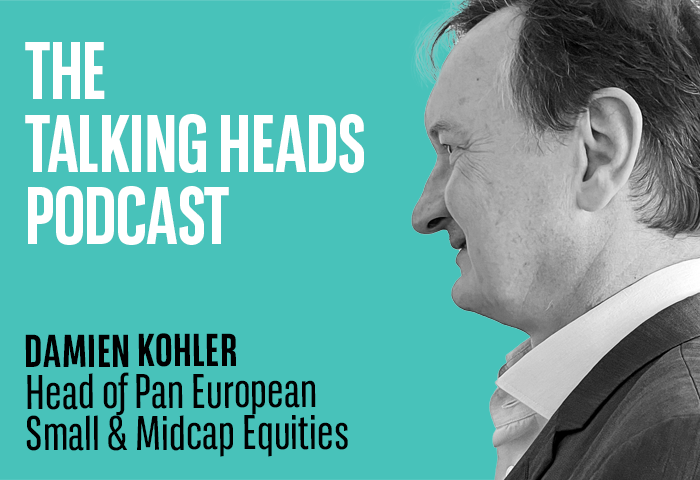
近年の低迷期を経て、欧州小型株のパフォーマンスは改善しています。今回のポッドキャスト「European small-cap stocks have the wind in their sails」では、欧州小型株の運用責任者であるDamien Kohlerが、チーフ・マーケット・ストラテジストであるDaniel Morrisとの対談を通じて、欧州小型株のバリュエーションを押し上げる要因について解説します。また、対談の中では、欧州小型株のリターンの源泉に加えて、投資家のポートフォリオにおける欧州小型株の位置づけについても取り上げています。 “Talking heads”はBNPパリバ・アセットマネジメントが提供するポッドキャストにおける投資情報のプログラムです。今後も投資家の皆様にとって、重要なトピックに関する詳細なインサイトに加え、サステナビリティの観点から世界の市場分析を行い、投資プロフェッショナルとのより有意義な対話を展開します。 *当プログラムは英語のみとなります。英語スクリプトは、以下よりご覧いただけます。


2025-09-17

BNPパリバ・アセットマネジメント(BNPP AM)は、長期のアセットアロケーションに関する見通しをまとめたレポートを発行しました。トランプ氏の米大統領再選に伴う世界貿易や地政学的な変化は、長期投資家にどういった影響をもたらすのでしょうか。こうした破壊的な変化(ディスラプション)が、経済成長やインフレ、各資産クラスのパフォーマンスに与える影響についてまとめています。主なポイントは以下の通りです。

2025-08-28